
How Much Does It Cost to Paint a Room in 2026?
A clear breakdown of what painting a room really costs in 2026 — DIY materials vs. hiring a painter, the factors that move the price, and how to budget.
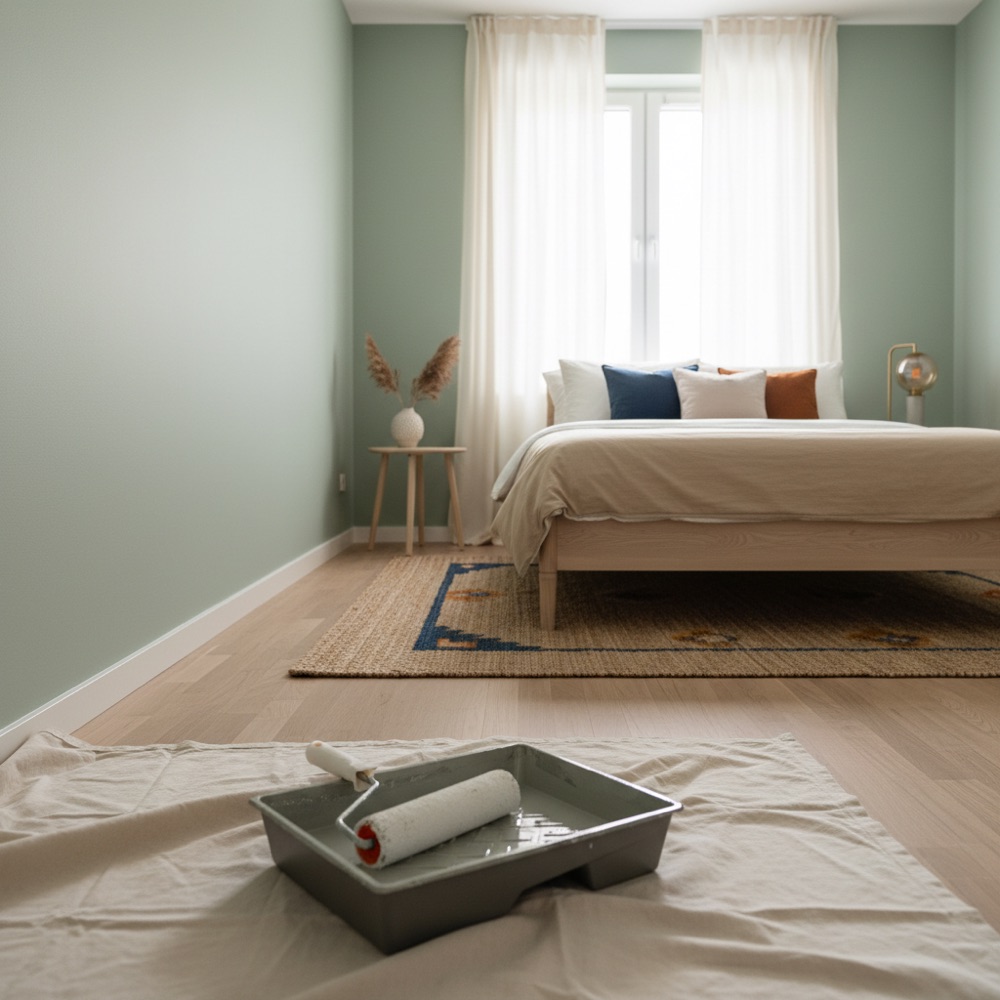
Painting is one of the highest-impact, lowest-cost upgrades you can make to a room — but "low cost" still covers a wide range depending on whether you DIY or hire out, how much prep is involved, and the finishes you choose. Here is how the cost of painting a room breaks down in 2026, and how to budget it honestly. To price the paint itself for your exact room, use the paint calculator.
The two big cost paths: DIY vs. hiring a pro
Every painting budget starts with one decision: are you doing it yourself or paying someone? The gap between the two is almost entirely labor, which typically makes up the largest share of a professional quote.
- DIY — your cost is essentially materials: paint, primer, and supplies. You trade money for time and a bit of a learning curve.
- Hiring a pro — you add labor, but you get speed, a reliably clean finish, and someone else handling prep, cutting in, and cleanup.
Neither is "right" — it depends on your budget, your time, and how comfortable you are on a ladder with a brush.
What goes into a DIY paint budget
If you paint it yourself, your shopping list looks like this:
| Item | What it covers | Notes |
|---|---|---|
| Wall paint | ~2 gallons for a standard room, 2 coats | Quality tiers vary widely per gallon |
| Primer | New drywall, bare wood, big color changes | Skip on clean, same-color repaints |
| Trim & ceiling paint | Bought separately (different finishes) | A quart of trim paint goes a long way |
| Supplies | Roller, brush, tray, tape, drop cloth, spackle | One-time cost; reuse on future jobs |
The single biggest variable is paint quality. A premium paint costs more per gallon but often covers better and lasts longer, which can mean fewer coats and less repainting down the road. See our essential painting tools guide for the supplies that actually matter.
What drives a professional quote
If you hire a painter, the quote reflects far more than paint. The main cost factors are:
- Prep work. Patching holes, sanding, caulking, and priming are labor-intensive. A room that needs a lot of repair costs more than a clean one.
- Ceiling height. Tall, vaulted, or stairwell walls need more equipment and time.
- Number of coats. Dark-to-light changes and bold colors often need an extra coat.
- Trim and detail. Crown molding, wainscoting, doors, and built-ins are slow, precise work.
- Condition and color. Switching from a dark to a light color, or covering stains, adds coats and primer.
- Your region. Labor rates differ dramatically across the country — the same job can vary a lot city to city.
Because these factors swing the total so much, the only reliable price is an itemized written quote from a local painter who has seen the room.
How to budget without a quote in hand
- Price the paint first. Run your room through the paint calculator to get gallons and a material cost.
- Add supplies if you do not already own them — this is a one-time cost you will reuse.
- Decide DIY vs. pro. If hiring, get two or three local quotes and compare what each includes (prep, trim, ceilings, cleanup).
- Budget for prep. Old or damaged walls cost more in either path — do not skip patching and priming.
Where people overspend (and underspend)
- Overspend: buying too much paint by not measuring, or hiring out a small, simple room that is a very doable DIY.
- Underspend: skimping on prep or primer, which shows in the finish and means repainting sooner — the most expensive outcome of all.
On the numbers: Paint and labor prices vary widely by product, region, and contractor. CalcReno gives planning estimates, not quotes. Always confirm current paint prices with your supplier and get written bids from licensed local painters.
Ready to price your room? Start with the paint calculator, then read how much paint do I need to nail the quantity.