
How Much Does It Cost to Renovate a Room in 2026?
A realistic look at what drives remodeling costs in 2026, room by room, plus how to budget, where money goes, and how to read a contractor's bid.
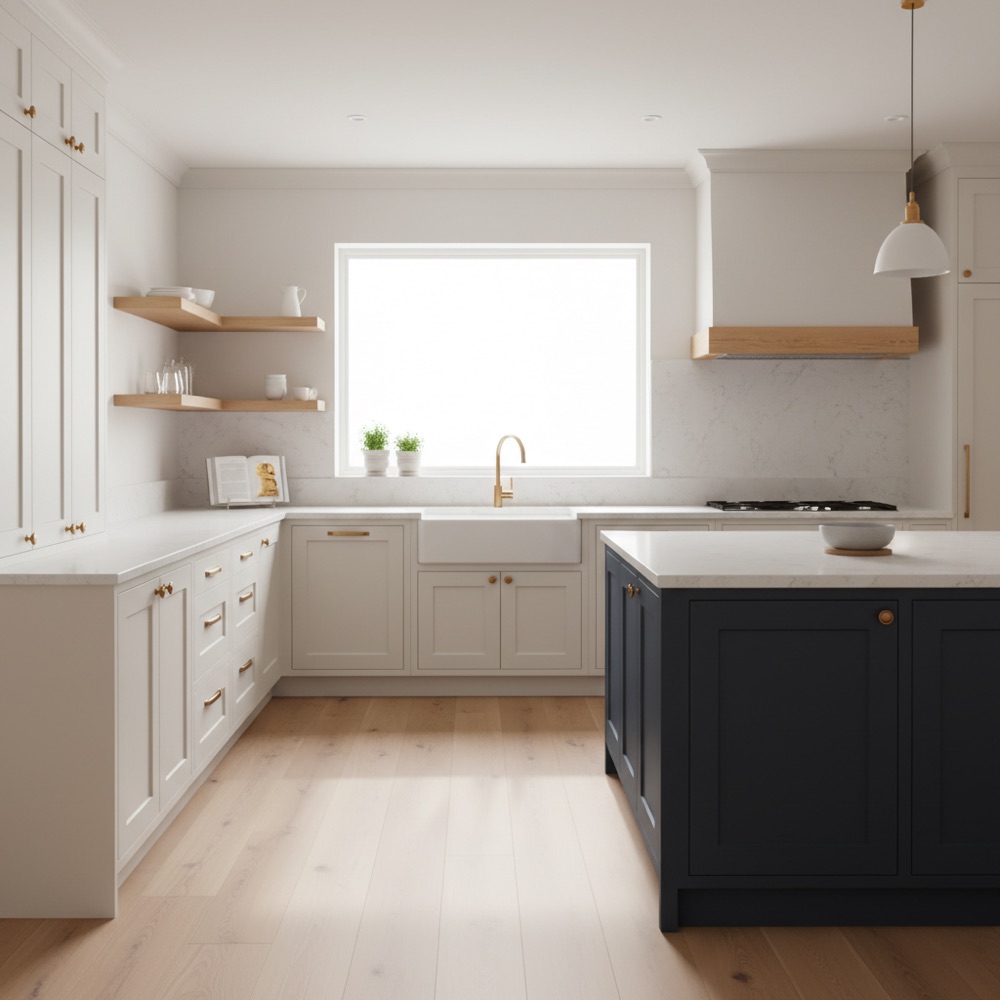
"What will it cost to renovate this room?" has no single answer — and anyone who gives you one without seeing your space is guessing. But you can absolutely build a realistic budget by understanding what drives the price. This guide explains the cost factors room by room for 2026, so you can plan before you ever call a contractor. For a quick ballpark, start with the renovation cost estimator.
What actually drives renovation cost
Two rooms of identical size can differ in price by a factor of three or more. Here is where the money goes:
- Labor. Usually the biggest single cost — often 30–50% of a remodel. Skilled trades (plumbers, electricians, tile setters) command higher rates, and rates vary a lot by region.
- Scope and layout changes. A cosmetic refresh (paint, fixtures, flooring) is far cheaper than moving plumbing, relocating walls, or changing the footprint. The moment you move a sink or a wall, costs climb.
- Finishes. Stock cabinets vs. custom, laminate vs. stone, builder-grade vs. designer fixtures — finishes can double a budget on their own.
- The trades involved. Kitchens and bathrooms touch plumbing, electrical, cabinetry, and tile, which is why they cost more per square foot than bedrooms.
- Permits and code. Structural, electrical, and plumbing work usually requires permits and inspections, and older homes may trigger code upgrades.
- The unexpected. Water damage, rot, outdated wiring, and asbestos turn up once walls are open. This is why a contingency is non-negotiable.
Why we show ranges, not a single price
Because finishes and site conditions swing the number so widely, the only honest figure is a range. CalcReno's estimator uses three tiers:
- Budget: a refresh with stock materials, keeping the existing layout. Think new paint, mid-grade flooring, stock cabinets, and updated fixtures.
- Mid-range: quality materials and some upgrades — semi-custom cabinets, stone or quartz surfaces, better tile, possibly minor layout tweaks.
- High-end: premium and custom finishes, higher-end appliances and fixtures, and layout changes that move plumbing or walls.
Room by room: where the money goes
Kitchen
The most complex room in the house. Cabinetry and countertops typically dominate the budget, followed by appliances, then plumbing and electrical. Keeping the existing layout — sink, stove, and refrigerator in place — is the single biggest way to control cost. Moving them means new plumbing and wiring runs.
Bathroom
Small in square footage but expensive per square foot because of waterproofing, tile, and plumbing fixtures packed into a tight space. A "like-for-like" update (new vanity, toilet, tile, fixtures in the same spots) is moderate; relocating the shower or toilet is where bathrooms get expensive.
Bedroom
Usually the most affordable room to renovate, since it is mostly drywall, paint, flooring, trim, and lighting — no plumbing and limited electrical. Closet build-outs and new windows are the main upgrades that add cost.
Living room
Like bedrooms, living rooms are typically finish-driven: flooring, paint, lighting, and trim. Costs rise with features like built-ins, a fireplace, accent walls, or new windows and doors.
Basement finishing
Finishing an unfinished basement is priced by what you add: framing, insulation, drywall, flooring, lighting, and especially any bathroom or wet bar. Moisture control and egress requirements can add cost but are not optional for a safe, code-compliant space.
How to build your budget
- Start with the estimator for a planning range, then treat the high end as your working number.
- Get 2–3 written quotes from licensed local contractors. Bids should be itemized so you can compare like for like.
- Add a 10–20% contingency on top, especially in homes more than 30 years old.
- Separate must-haves from nice-to-haves so you know what to cut if bids come in high.
- Confirm what's included — permits, cleanup, disposal, and finish materials are sometimes excluded from a headline price.
A note on numbers: CalcReno provides planning estimates and educational ranges, not quotes or financial advice. Actual costs depend on your location, contractor, and choices. Always confirm with licensed local professionals before committing to a budget.
Get your room's ballpark with the renovation cost estimator, then price out the materials with our project calculators.