
Tile Installation Cost Guide (2026): Labor + Materials
A practical breakdown of what tiling a floor or wall costs in 2026 — materials, labor, the factors that raise the price, and the extras people forget.
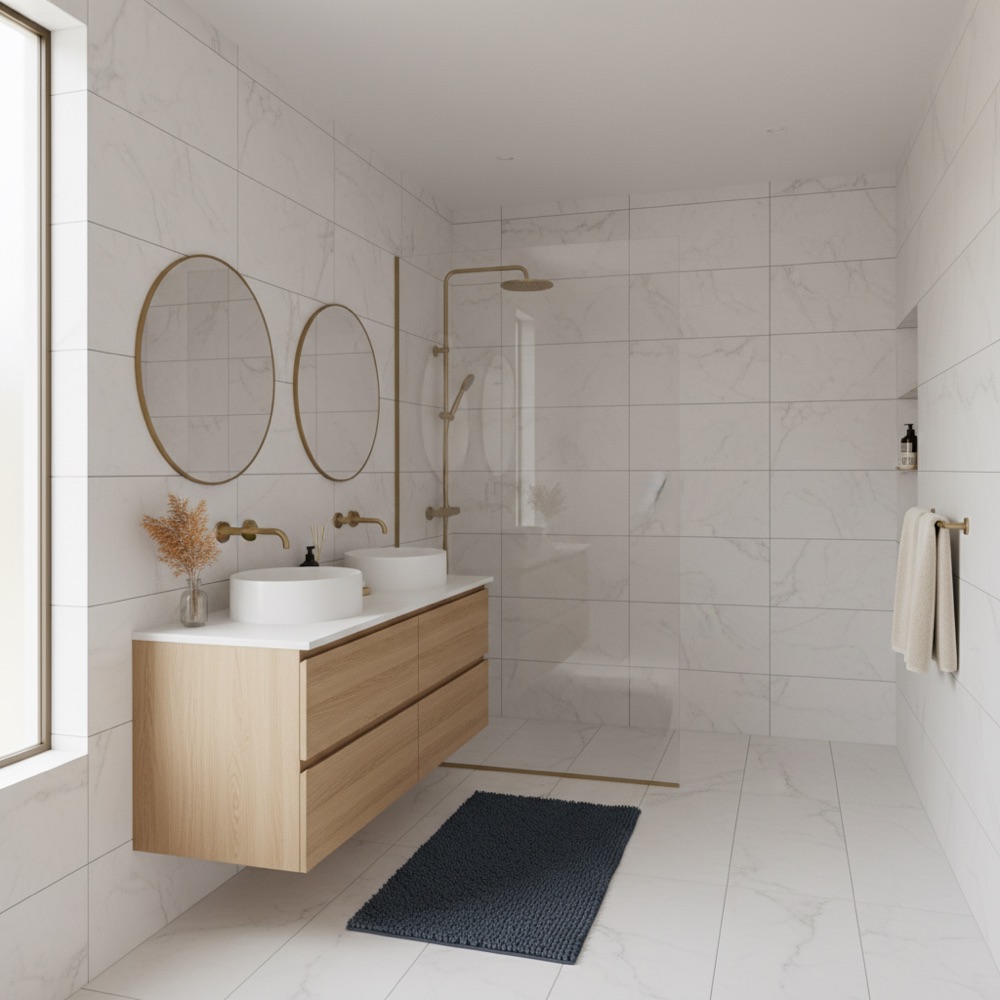
Tile is one of the most durable, beautiful finishes you can install — and also one of the more expensive, because it is labor-intensive. Whether you are tiling a bathroom floor, a kitchen backsplash, or a whole open-plan space, here is how the cost breaks down in 2026 and where the money actually goes. To estimate your materials, start with the tile & flooring calculator.
The two halves of a tile budget: materials and labor
Every tile project has two cost halves, and understanding the split helps you control the total.
- Materials: the tile itself, plus thinset/mortar, grout, backer board or underlayment, spacers, sealant, and trim pieces.
- Labor: surface prep, layout, cutting, setting, grouting, and sealing. For most everyday installations, this is the larger share.
What you pay for in materials
The tile is only part of the materials bill. A complete list usually includes:
| Material | Role | Budget impact |
|---|---|---|
| Tile | The finish surface | Ceramic (lower) → porcelain → natural stone (higher) |
| Thinset / mortar | Bonds tile to substrate | Modest, but sized to your tile and area |
| Grout & sealant | Fills and protects joints | Modest; epoxy grout costs more than cement |
| Backer board / underlayment | Stable, waterproof base | Essential in wet areas; adds up over large floors |
| Trim & transitions | Finished edges, doorways | Often forgotten in budgets |
The biggest material swing is the tile grade. Budget ceramic is the most affordable; large-format porcelain and especially natural stone (marble, travertine) sit at the premium end and may also require more careful handling.
What drives the labor cost up
Two identical-size rooms can cost very differently to tile. The main labor multipliers are:
- Pattern complexity. Straight grid is fastest. Diagonal, herringbone, chevron, and mosaics require far more cuts and layout time.
- Lots of cuts and obstacles. Toilets, vanities, outlets, niches, and tight corners slow the work.
- Surface prep. Leveling an uneven subfloor or installing backer board adds hours before a single tile is set.
- Wet areas. Showers and tub surrounds need waterproofing and precision — they cost more than a simple floor.
- Tile size and material. Very large format tiles need flatness and care; natural stone needs extra handling and sealing.
DIY vs. hiring a tile setter
Tiling is a popular DIY project, but it rewards patience and the right tools. Doing it yourself removes labor — the biggest cost — but adds:
- Tool needs: a wet saw (often rented), notched trowel, spacers, level, and a grout float.
- A learning curve: flat, evenly spaced, fully bonded tile takes practice. Mistakes mean wasted tile and time.
- Risk by area: a simple floor is beginner-friendly; a waterproofed shower is best left to a pro unless you are experienced.
The extras people forget to budget
- Demolition and disposal of old flooring or tile.
- Subfloor repair or leveling discovered once the old surface comes up.
- Trim, transition strips, and sealant.
- Waste tile — always order extra and keep a box for repairs.
On the numbers: Tile and labor prices vary widely by material grade, region, and installer. These are planning factors, not a quote. Confirm material prices with your supplier and get itemized bids from licensed local installers.
Estimate your tile and boxes with the tile & flooring calculator, and learn the waste math in how many tiles do I need.